The hospitality industry in the UAE is rapidly evolving. With rising electricity costs and increasing pressure to meet sustainability goals, hotels are adopting IoT-based energy management systems to reduce operational expenses—without affecting guest comfort.
Today, smart hotels are achieving 20–35% reductions in energy costs by using real-time data, automation, and AI-driven optimization.
Here’s how leading UAE hotels are doing it in 2026:
1. Smart HVAC Scheduling (Air Ambient Optimization)
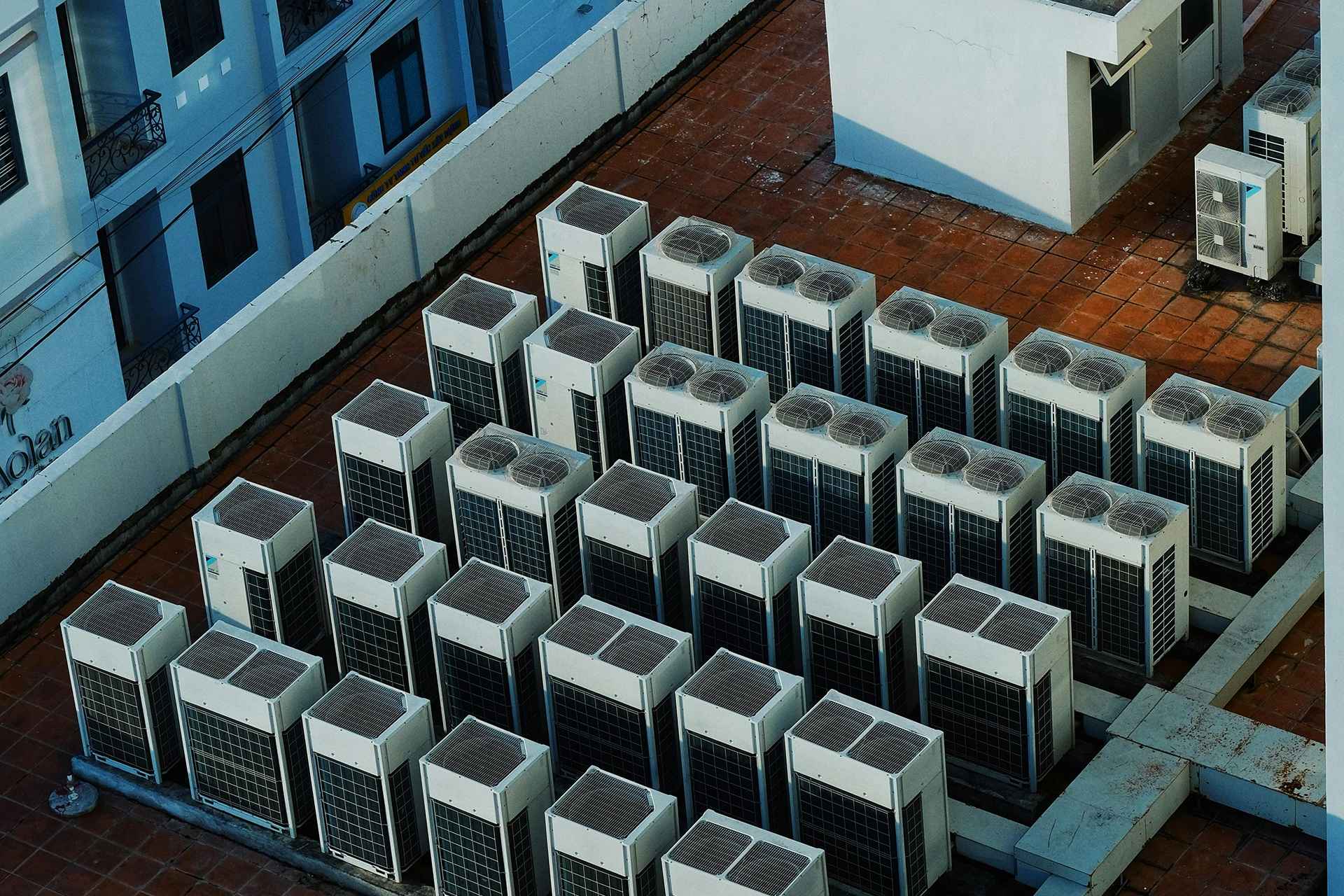
HVAC systems are the largest energy consumers in hotels, often accounting for nearly half of total usage.
With IoT-enabled HVAC scheduling:
- Air conditioning runs only when required
- Cooling adjusts based on occupancy, weather, and time
- Rooms are pre-cooled efficiently before guest arrival
Instead of continuous operation, systems become demand-based, significantly reducing unnecessary usage.
Impact: Up to 15–25% energy savings from HVAC systems alone.
2. Occupancy-Based Lighting & Energy Control (Air Sense Concept)
One of the most common inefficiencies in hotels is energy usage in unoccupied rooms.
IoT sensors detect:
- Guest presence
- Motion
- Door activity
Based on this data, systems automatically:
- Turn off lights
- Reduce HVAC output
- Cut standby power
This ensures energy is used only when needed—without requiring manual intervention.
Impact: 15–30% reduction in energy waste across rooms and corridors.
3. Real-Time Energy Monitoring & Analytics
Traditional energy management relies on monthly utility bills, which provide delayed insights.
IoT dashboards now allow hotels to:
- Monitor energy usage in real time
- Identify spikes and inefficiencies instantly
- Compare performance across floors or departments
This enables facility teams to act immediately instead of reacting weeks later.
Impact: Faster decision-making and continuous optimization.
4. AI-Driven Automation & Predictive Control
Modern systems go beyond monitoring—they actively optimize building performance.
AI-powered platforms:
- Adjust HVAC settings dynamically
- Predict energy demand based on occupancy trends
- Optimize lighting, heating, and equipment usage
These systems continuously learn and improve efficiency without manual input.
Impact: Reduced runtime, lower costs, and smarter energy use across the property.
5. Integrated Smart Building Systems (BMS + IoT)
The biggest gains come from connecting all systems into one intelligent network.
Hotels are integrating:
- HVAC
- Lighting
- Guest room controls
- Elevators
- Property management systems
This creates a centralized system where all components work together to minimize energy waste.
Impact: Maximum efficiency, reduced system conflicts, and better overall performance.
The Real Result: Lower Costs Without Compromising Experience
A key advantage of IoT-based energy management is that it operates in the background—guests don’t notice it, but hotels benefit significantly.
Hotels achieve:
- 25–35% reduction in energy costs
- Improved guest comfort through better climate control
- Lower maintenance costs
- Stronger alignment with UAE sustainability goals
Final Thoughts
In 2026, UAE hotels are no longer relying on manual energy management. They are adopting smart, connected systems that continuously optimize performance.
Technologies like:
- Air Ambient HVAC scheduling
- Air Sense occupancy detection
- AI-driven automation
…are transforming hotels into intelligent, energy-efficient environments.
For hotel operators, the takeaway is clear:
Energy efficiency is no longer just a cost-saving measure—it’s a competitive advantage.