The hospitality industry in the UAE is one of the country’s largest consumers of electricity. With hotels operating around the clock, extensive air conditioning, lighting, commercial kitchens, laundries, swimming pools, elevators, and guest amenities contribute to significantly high energy consumption.
Whether you manage a luxury hotel in Dubai, a business hotel in Abu Dhabi, or a boutique property anywhere in the UAE, implementing an effective energy management system for hotels can substantially reduce operating costs while improving sustainability and operational efficiency.
In this guide, you’ll discover practical strategies to reduce hotel energy consumption without compromising guest comfort or service quality.
Why Energy Management Matters for Hotels in the UAE
Energy is one of the largest operating expenses for hotels, second only to staffing costs. Rising electricity tariffs and increasing sustainability expectations make energy management more important than ever.
The biggest energy-consuming areas in hotels include:
- Air conditioning (HVAC)
- Guest room lighting
- Water heating
- Laundry facilities
- Commercial kitchens
- Elevators
- Swimming pools
- Outdoor lighting
- Pumps and ventilation systems
Without proper monitoring and control, hotels can lose thousands of dirhams each month through inefficient equipment, unnecessary energy usage, and outdated operating practices.
Common Causes of High Hotel Energy Consumption
Many hotels consume more electricity than necessary due to avoidable operational issues, including:
- Air conditioning running in vacant guest rooms
- Lights left on in unoccupied areas
- Poor HVAC scheduling
- Aging chillers and cooling equipment
- Lack of occupancy sensors
- Manual operation instead of automation
- Limited energy monitoring
- Inefficient pumps and motors
Identifying these issues is the first step toward reducing electricity costs and improving overall efficiency.
10 Effective Ways to Reduce Hotel Energy Consumption in Dubai
1. Install a Smart Energy Management System
A modern Energy Management System (EMS) provides complete visibility into electricity usage throughout the hotel. It allows operators to monitor energy consumption in real time and identify areas where energy is being wasted.
An EMS can monitor:
- Real-time electricity consumption
- HVAC performance
- Peak demand
- Floor-wise energy usage
- Department-wise consumption
- Equipment efficiency
With accurate energy data, hotel management can make informed decisions that lead to significant cost savings.
2. Automate Guest Room Air Conditioning
Guest rooms account for a considerable share of hotel electricity usage. Installing smart occupancy controls ensures that air conditioning automatically adjusts when rooms are unoccupied and returns to guest comfort levels before occupancy.
This simple automation reduces unnecessary cooling while maintaining an excellent guest experience.
3. Upgrade to LED Lighting
Replacing conventional lighting with LED fixtures is one of the fastest ways to reduce hotel energy consumption.
Benefits include:
- Lower electricity bills
- Longer product lifespan
- Reduced maintenance costs
- Better lighting quality
- Lower heat generation
Priority areas for LED upgrades include guest rooms, corridors, restaurants, conference halls, parking areas, and hotel lobbies.
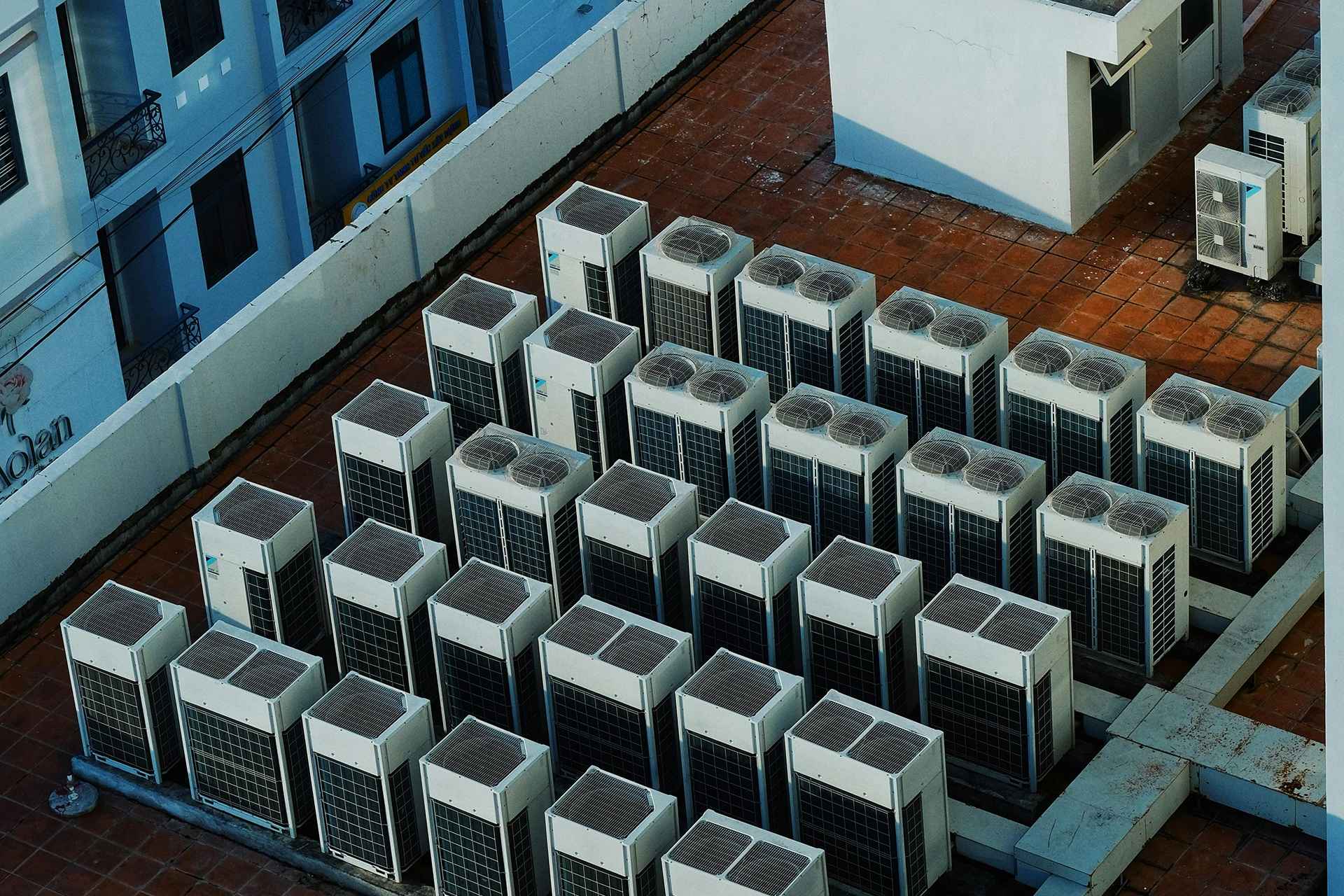
4. Optimize HVAC Systems
Air conditioning typically accounts for the largest share of electricity consumption in UAE hotels.
Improve HVAC efficiency by:
- Cleaning air filters regularly
- Performing preventive maintenance
- Installing Variable Speed Drives (VSDs)
- Optimizing thermostat settings
- Monitoring chilled water systems
- Replacing outdated equipment
Even small HVAC improvements can produce significant annual savings.
5. Install Occupancy Sensors
Occupancy sensors automatically switch off lighting, air conditioning, and ventilation equipment when areas are not in use.
Recommended installation areas include:
- Guest rooms
- Meeting rooms
- Public washrooms
- Storage areas
- Staff offices
Automation eliminates unnecessary electricity usage without affecting daily operations.
6. Monitor Energy Usage in Real Time
You cannot manage what you do not measure.
Real-time energy monitoring enables hotels to:
- Detect abnormal electricity consumption
- Compare energy usage between departments
- Identify inefficient equipment
- Benchmark building performance
- Track monthly savings
Continuous monitoring allows maintenance teams to respond quickly before small issues become expensive problems.
7. Reduce Hot Water Energy Consumption
Hotels require large amounts of hot water for guest rooms, kitchens, spas, and laundry operations.
Energy-saving improvements include:
- Heat recovery systems
- Solar water heating
- High-efficiency boilers
- Pipe insulation
- Smart circulation pumps
Optimizing water heating systems can significantly reduce electricity consumption throughout the property.
8. Improve Building Automation
A modern Building Management System (BMS) integrates and controls major building services, including:
- HVAC systems
- Lighting
- Pumps
- Ventilation
- Chillers
- Water systems
Building automation improves operational efficiency by automatically controlling equipment based on occupancy, schedules, and real-time demand.
9. Train Hotel Staff on Energy Efficiency
Technology alone cannot eliminate energy waste. Staff awareness plays an equally important role.
Training should cover:
- Equipment shutdown procedures
- Temperature management
- Lighting control
- Preventive maintenance reporting
- Energy-saving best practices
Small daily actions by hotel staff can generate significant long-term savings.
10. Conduct Regular Energy Audits
Professional energy audits help hotels understand exactly where electricity is being consumed and identify opportunities for improvement.
An energy audit can reveal:
- Hidden energy losses
- Equipment inefficiencies
- Potential energy-saving upgrades
- Return on investment (ROI)
- Long-term improvement strategies
Regular audits also support sustainability initiatives and help hotels maintain efficient operations.
Benefits of Energy Management for Hotels
Implementing an effective energy management strategy provides both financial and operational advantages.
Key benefits include:
- Lower electricity bills
- Reduced operating expenses
- Improved equipment performance
- Enhanced guest comfort
- Reduced carbon emissions
- Support for sustainability goals
- Better ESG performance
- Faster return on investment
- Longer equipment lifespan
- Improved maintenance planning
Why Hotels in Dubai Are Investing in Smart Energy Management
As Dubai continues to promote sustainable tourism and energy efficiency, more hotels are investing in intelligent energy management solutions.
Smart energy management helps hotels:
- Reduce operational costs
- Improve maintenance efficiency
- Enhance sustainability performance
- Lower electricity consumption
- Increase property value
- Improve overall operational efficiency
Hotels that invest in energy-efficient technologies today are better positioned to remain competitive while reducing long-term operating costs.
How Best Energy UAE Can Help
At Best Energy UAE, we specialize in advanced energy management solutions for hotels in Dubai and across the UAE. Our experts help hotels monitor, analyze, and optimize electricity consumption using intelligent energy management technologies.
Our solutions include:
- Hotel Energy Management Systems
- Smart Energy Monitoring
- Electricity Consumption Analysis
- Building Energy Optimization
- HVAC Energy Management
- Power Quality Monitoring
- Energy Audits
- Utility Cost Reduction Solutions
Whether you manage a boutique hotel, business hotel, resort, or hospitality group, we provide customized solutions designed to reduce energy costs while improving operational performance.
Ready to Reduce Your Hotel’s Energy Costs?
If you’re looking for professional energy management for hotels in the UAE, Best Energy UAE can help you identify hidden energy losses, reduce electricity consumption, and improve overall building efficiency.
Contact Best Energy UAE today to learn how our intelligent energy management solutions can help your hotel lower operating costs, enhance sustainability, and deliver long-term energy savings.